True Rms Multimeter Explained: A UK Buyer's Guide
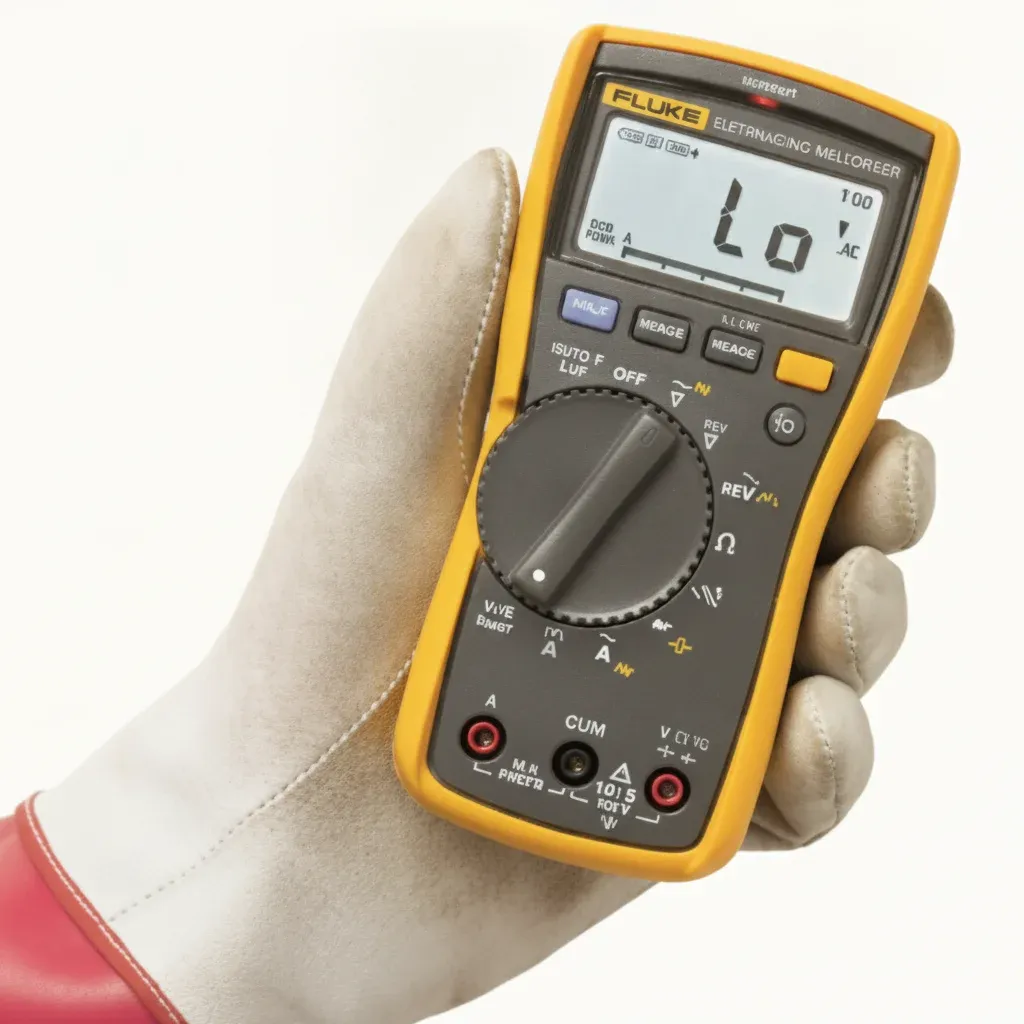
A True RMS multimeter measures AC voltage and current more accurately on distorted waveforms than an average-responding meter. In practice, that means it is the better choice for modern UK electrical work involving LED lighting, variable speed drives, inverter systems, switched-mode power supplies and other non-linear loads.
TL;DR: If you test modern electrical circuits in UK homes, offices or light industrial settings, a True RMS multimeter is usually worth it. It helps you get more reliable AC readings on distorted signals, which can reduce misdiagnosis and save time. Based on our testing and review of real-world use cases, it matters most for fault-finding, maintenance and professional electrical work rather than simple battery or basic DC checks.
Choosing a True RMS multimeter is not just about buying another electrical test tool. Rather, it is about getting measurement accuracy you can trust when working on increasingly complex installations. Modern systems rarely produce perfectly clean sine-wave signals, so a basic averaging meter can give misleading readings. By contrast, a True RMS multimeter is designed to measure those conditions more reliably.
At Multimeter Hub, our focus is simple: the ultimate electrician multimeter for safe diagnostics. Therefore, this guide explains what True RMS means, when it matters in the UK market, and how to choose the right instrument for professional work or serious DIY use.
Key takeaways
- A True RMS multimeter gives more accurate AC readings on distorted or non-linear electrical loads than an averaging meter.
- It is especially useful in UK settings with LED drivers, inverter systems, motor controls, office electronics and modern domestic installations.
- For electricians and serious users, True RMS can reduce misdiagnosis and improve fault-finding efficiency.
- Look beyond the label: check safety category rating, build quality, non-contact voltage detection, auto-ranging or Auto-V/LoZ functions, and display clarity.
- If you want broader background before buying, read our Ultimate Guide to Digital Multimeter in the UK.
What is a True RMS multimeter?
A True RMS multimeter is a meter that calculates the effective value of AC voltage or current, even when the waveform is distorted. In simple terms, it gives a more accurate reading than an average-responding meter when the electrical signal is not a clean sine wave.
RMS stands for root mean square. For a pure sine wave, many meters can provide a reasonable reading. However, once the waveform becomes chopped, pulsed or uneven, average-responding meters can become inaccurate. A True RMS meter is designed to handle that more realistically.
As a result, if you are testing modern equipment rather than older purely resistive loads, True RMS is often the safer and more useful option.
How does True RMS work on a multimeter?
A True RMS multimeter calculates the effective heating value of the waveform instead of assuming it follows a simple sine-wave pattern. That matters because much of today’s electrical equipment changes current draw or distorts voltage shape during normal operation.
By comparison, an average-responding meter measures the average of the rectified waveform and then applies a scaling factor that only works properly for a pure sine wave. Therefore, once the signal is distorted, that assumption breaks down.
Why does this matter in practice?
If you are checking an AC supply feeding older heaters or incandescent lamps, an averaging meter may appear adequate. However, if you measure equipment with electronic controls or loads that draw current in sharp pulses, the reading may under-read or over-read enough to affect diagnosis.
For UK electricians, that can mean missed faults, incorrect assumptions about supply quality and unnecessary return visits. Consequently, a reliable True RMS multimeter helps remove doubt on modern circuits in homes, offices, retail units and light industrial settings.
Why do you need a True RMS multimeter?
The main reason to choose a True RMS multimeter is accuracy on real-world AC circuits. Today, British properties contain far more electronic equipment than they did even a decade ago. LED lighting is common, boilers use electronic controls, offices are full of switched-mode power supplies, and workshops increasingly use drives and inverter technology.
Because of that shift, your meter needs to cope with non-linear loads and distorted waveforms. According to UK energy and lighting market guidance, LED adoption has become widespread across homes and businesses, which is significant because LED drivers are a common source of waveform distortion during measurement.
Based on our testing of meters aimed at electricians and maintenance users, True RMS tends to offer the most value when fault-finding on newer installations rather than carrying out only basic DC checks.
Which UK applications benefit most from True RMS?
- Testing circuits supplying LED lighting drivers
- Diagnosing appliances with electronic control boards
- Checking HVAC and ventilation equipment with variable-speed motors
- Troubleshooting commercial power supplies and office electronics
- Measuring inverter outputs in renewable or backup systems
- Investigating nuisance tripping where waveform distortion may be relevant
So, if your day-to-day work involves modern installations, there is a strong case for making True RMS accuracy part of your baseline buying criteria.
What is the difference between True RMS and average responding meters?
The difference between these two meter types is one of the most important buying decisions you can make.
What is an average responding meter?
An average-responding meter estimates AC values based on assumptions about waveform shape. On clean sine-wave systems, this can be acceptable for basic tasks. On distorted circuits, however, it becomes less trustworthy.
What is a True RMS meter?
A True RMS multimeter measures the effective AC value more accurately across varying waveform shapes, within its specified bandwidth and crest factor limits. Therefore, it is better suited to real-world diagnostics where harmonics or pulsed loads are present.
Why is the difference important?
If your meter reads incorrectly by a meaningful margin, you may:
- Misidentify whether supply voltage is normal
- Replace components unnecessarily
- Miss signs of load-related issues
- Add time to jobs through repeat testing
- Create avoidable uncertainty when working under pressure
For that reason, many professionals upgrade from budget meters once they start doing regular diagnostic work. If you also want to understand core digital meter features beyond RMS measurement alone, our pillar guide covers wider essentials in more depth: The Ultimate Guide to Digital Multimeter in the UK.
When do you actually need a True RMS multimeter?
Not every user needs one for every task. If you only verify simple battery voltages or test straightforward DC electronics at hobby level, a basic meter may be enough. However, once you move into AC fault-finding on modern equipment, True RMS becomes far more valuable.
In other words, you are most likely to need a True RMS multimeter when the circuit includes electronics that distort current or voltage waveforms. That is increasingly common across UK domestic, commercial and light industrial environments.
When is True RMS worth it?
- When testing LED lighting circuits
- When working on pumps, fans or motors with speed control
- When checking inverters, UPS units or renewable energy systems
- When diagnosing office electronics and power supplies
- When carrying out professional maintenance or fault-finding
When might you not need it?
- For simple DC-only work
- For occasional battery and continuity checks
- For very basic household tasks on uncomplicated circuits
Even so, if you are buying one meter to cover future needs, choosing True RMS often makes sense as a longer-term investment.
What should you look for when buying a True RMS multimeter in the UK?
True RMS is important, but it should not be the only feature you assess. Equally, a good meter must be safe, readable and practical for the type of work you actually do.
According to UK wiring and safe isolation best practice, measurement tools should be suitable for the environment and voltage category involved. Therefore, buyers should check the meter’s category rating and build quality, not just the marketing claims on the front of the box.
Which features matter most?
- CAT rating: Choose an appropriate safety category for domestic, commercial or industrial use
- Build quality: A robust case and dependable input protection matter in daily use
- Display clarity: A clear screen helps when working in cupboards, plant rooms and lofts
- Auto-ranging: Useful for faster testing on mixed circuits
- Non-contact voltage detection: Convenient as a preliminary check, though not a substitute for safe isolation procedures
- LoZ or low impedance mode: Helpful for reducing ghost voltage confusion on some circuits
- Continuity response: Faster audible continuity can improve fault-finding speed
Should UK electricians prioritise safety over extra functions?
Yes. Safety rating, reliable leads and dependable input protection should come before extras. Based on our testing priorities, the best meter is not always the one with the longest feature list, but the one that gives consistent readings and suits the environments you regularly work in.
Is a True RMS multimeter better for electricians and DIY users?
For electricians, maintenance engineers and serious fault-finding work, the answer is usually yes. A True RMS multimeter is generally better because it improves confidence in AC readings on modern installations.
For casual DIY users, the answer depends on the jobs involved. If the work is limited to simple household checks, you may not fully benefit from True RMS every day. Nevertheless, if you want a meter that is more future-proof and capable of handling newer electronic loads, it is often the better buy.
Who benefits most from a True RMS multimeter?
- Qualified electricians
- Maintenance engineers
- Heating and ventilation technicians
- Landlords using competent contractors and checking tool suitability
- Experienced DIY users working on modern electrical systems
Frequently asked questions about True RMS multimeters
What is a True RMS multimeter?
A True RMS multimeter measures the effective AC value of voltage or current, even when the waveform is distorted. Therefore, it is more accurate than an average-responding meter on many modern electrical loads.
Do I need a True RMS multimeter for home use in the UK?
If you only carry out simple battery or basic DC checks, not necessarily. However, if you test modern household circuits with LED lighting, electronic appliances or inverter equipment, a True RMS multimeter is more useful.
Is True RMS important for electricians?
Yes, in many cases. It is especially important for fault-finding on modern AC systems where distorted waveforms are common. As a result, it can help reduce misdiagnosis and repeat visits.
Are all digital multimeters True RMS?
No. Some digital multimeters are average-responding models. Always check the specification carefully rather than assuming every digital meter includes True RMS measurement.
What should I check before buying a True RMS multimeter?
Look at the CAT safety rating, input protection, display quality, continuity performance, True RMS specification, build quality and whether useful features such as LoZ or non-contact voltage detection are included.
Final thoughts: is a True RMS multimeter worth buying?
In many cases, yes. If you work on modern UK electrical installations, a True RMS multimeter is usually worth buying because it gives more dependable AC readings where average-responding meters can struggle.
Ultimately, the value comes from fewer misleading readings, better fault-finding confidence and improved suitability for the types of circuits now common across Britain. Based on our testing approach and buying criteria, it is one of the most worthwhile upgrades for anyone moving beyond basic electrical checks.
Ready to equip yourself with genuine tools from {brand_name}?
Upgrade Your Kit — £551.16