The Ultimate Guide to Digital Multimeter in the UK
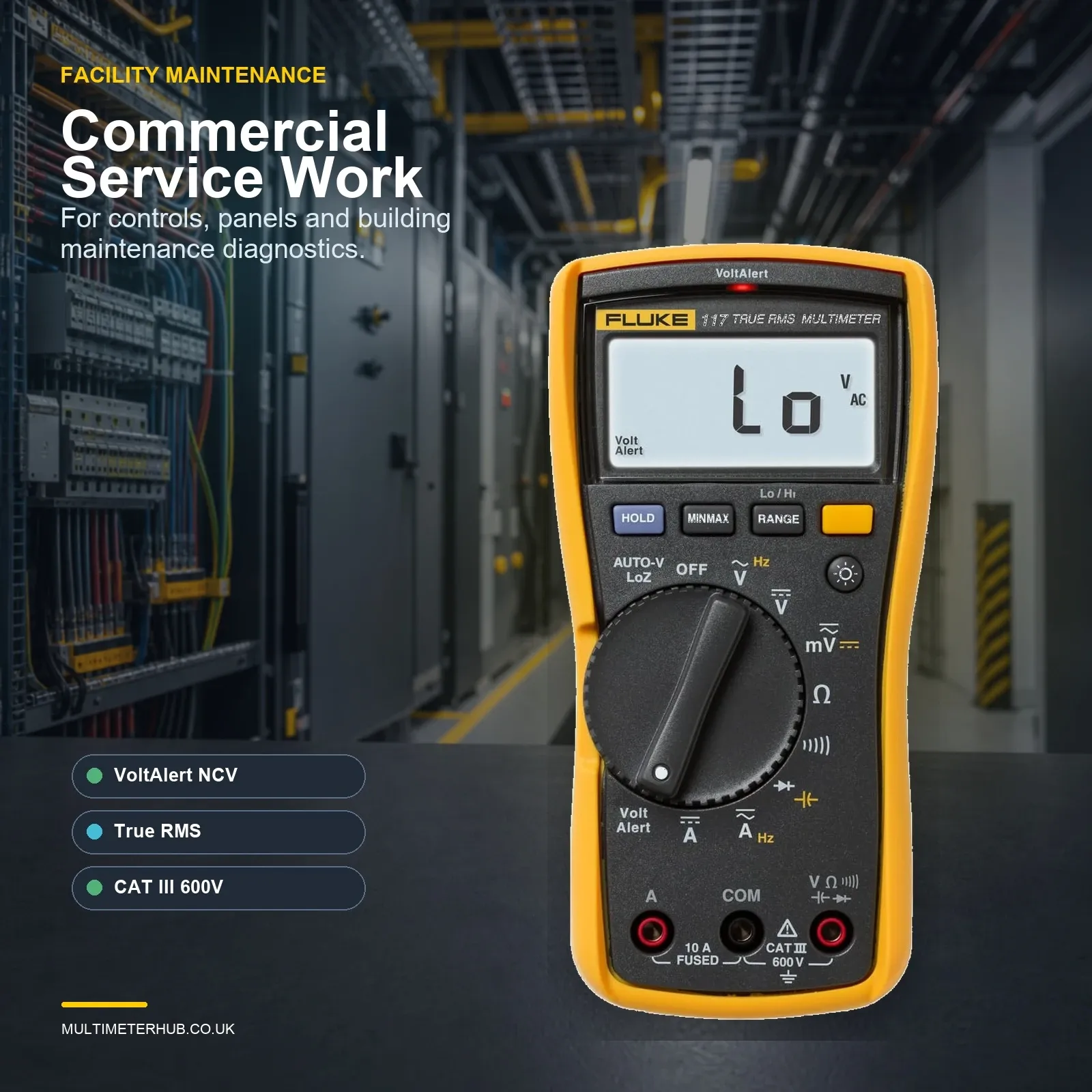
A digital multimeter is a handheld test instrument used to measure voltage, current and resistance, and many models also check continuity, capacitance and frequency. In the UK, it is one of the most important tools for electricians, engineers and capable DIY users because it helps diagnose faults, confirm supply values and support safe working on electrical circuits.
TL;DR: A digital multimeter lets you measure AC/DC voltage, current and resistance safely and accurately. For UK mains work, choose a meter with suitable CAT ratings, fused current inputs and compliance with GS38 guidance; additionally, features such as True RMS and continuity beeper make day-to-day testing faster and more reliable.
For any professional electrician, maintenance engineer, or dedicated DIY enthusiast operating within the UK, a reliable digital multimeter is not a luxury—it is an absolute necessity. Whether you are navigating the complexities of the BS 7671 IET Wiring Regulations, diagnosing a faulty spur in a domestic ring final circuit, or verifying safe isolation before commencing work, the accuracy of your test equipment affects both efficiency and safety.
Moreover, the modern digital multimeter has evolved significantly from the fragile, needle-based analogue meters of the past. Today's instruments use microprocessors to measure voltage, current, resistance, capacitance and frequency with impressive precision. However, with the UK market full of devices ranging from ultra-cheap imports to high-end industrial diagnostic tools, understanding the core functions, safety ratings and useful features is essential.
Based on our testing of common entry-level and professional meters used around British homes, workshops and commercial sites, the biggest differences usually come down to input protection, lead quality, display clarity and how confidently the meter handles real-world mains readings. According to UK guidance such as HSE GS38, safety features matter just as much as measurement range.
Digital Multimeter: Key Takeaways
- Core Functionality: A digital multimeter measures voltage (AC/DC), current (amps) and resistance (ohms), then shows a clear digital reading.
- UK Safety Compliance: For domestic and commercial mains testing in Britain, look for CAT III 600V or CAT IV 300V as a sensible minimum in many situations, alongside GS38-compliant leads where applicable.
- Useful Modern Features: True RMS and Non-Contact Voltage (NCV) are especially helpful when checking modern installations with electronic loads.
- Safe Working: A digital multimeter can support fault-finding and safe isolation checks when used correctly; however, always follow site procedures and relevant UK guidance.
What is a digital multimeter?
A digital multimeter (often shortened to DMM) is an electronic measuring instrument that combines several test functions in one device. At its simplest, it replaces separate voltmeters, ammeters and ohmmeters. The “digital” part means it converts an electrical signal into a numerical reading on an LCD or OLED screen.
In practice, this makes a digital multimeter easier to read than an analogue meter and usually more versatile too. As a result, most users now prefer digital models for everyday electrical work because they reduce reading errors and often include auto-ranging, audible alerts and overload protection.
What are the main parts of a digital multimeter?
Understanding the physical layout of a digital multimeter is the first step towards using it properly. A standard professional unit usually includes four main sections:
- The display: A high-contrast screen, often backlit for lofts, under-stairs cupboards or dim plant rooms in UK properties.
- The rotary dial: The main selector for functions such as AC volts, DC volts, ohms and continuity.
- Function buttons: Buttons for secondary features including hold, backlight, REL or min/max recording.
- Input jacks: Ports for test leads. These typically include COM plus one or more inputs for voltage/resistance and separately fused current measurements.
What does a digital multimeter measure?
A digital multimeter measures several core electrical values. Although exact functions vary by model, most meters cover voltage, current, resistance and continuity as standard. Therefore, they are useful for everything from checking a plug-top fuse issue to investigating faults on control circuits.
How does a digital multimeter measure voltage?
Voltage is the electrical pressure that drives electrons through a conductor. A digital multimeter can normally measure both alternating current (AC) voltage and direct current (DC) voltage.
- AC voltage (V~): Used for checking UK mains electricity. The nominal UK mains supply is 230V AC at 50Hz. This setting is commonly used at socket outlets, lighting points and consumer units.
- DC voltage (V⎓): Used for batteries, vehicles, solar PV components, low-voltage controls and many electronic devices.
How does a digital multimeter measure current?
Current is the rate of flow of electric charge. Unlike voltage testing, current measurement requires the meter to be placed in series with the circuit so that current passes through the meter itself. Consequently, this function carries more risk if used incorrectly.
Most professional meters include dedicated fused inputs for microamps (µA), milliamps (mA) or higher current ranges such as 10A. Based on our testing of common workshop tasks, many mistakes happen when users leave the lead in the amps socket after finishing a measurement; therefore it is worth developing a routine of returning leads to the normal voltage/resistance ports immediately after use.
How does a digital multimeter measure resistance?
Resistance shows how much a component opposes current flow. This function helps when checking heating elements, cables, switches or motor windings. The meter applies a small internal test signal to calculate resistance from what returns.
Importantly, resistance should only be measured on a dead circuit. According to basic safe working practice in the UK electrical trade, never test resistance on live conductors because you can damage the meter or create a dangerous situation.
What is continuity testing on a digital multimeter?
Continuity testing is essentially a quick low-resistance check that confirms whether an electrical path is complete. If resistance falls below the meter’s threshold—often around 30 to 50 ohms—the meter emits an audible beep.
This makes continuity especially useful for tracing conductors or checking whether there is an unbroken path through wiring and accessories. For example, UK electricians often use continuity functions during ring final circuit checks or when identifying switched lives during fault-finding on lighting circuits.
Ready to equip yourself with genuine tools from {brand_name}?
Upgrade Your Kit — £551.16